One area or several? Reading a liposuction proposal in Korea
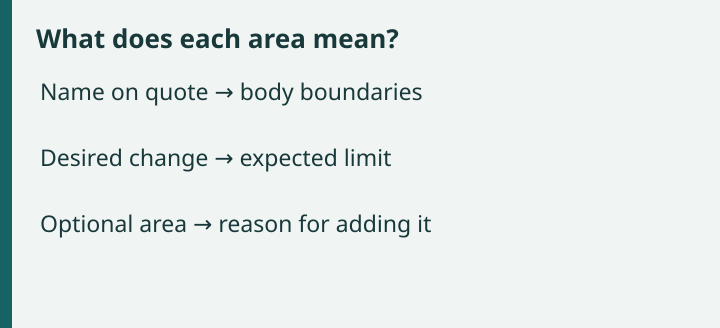
A quote for the waist, flanks and abdomen can sound like a single choice. Ask the surgeon to mark which surfaces each term covers and explain the benefit and risk of including each one. A package name alone tells you little about time in surgery, the tissues involved or what recovery at home would require.
Start with the area that brought you in
Imagine you want a particular waistband to sit more comfortably. Show where it presses while you sit or move. Explain whether your concern is fullness, skin that folds, or the transition between two areas. That description gives the surgeon something more specific to examine than a request for a numbered package. No photograph can establish how the tissues feel or how much loose skin might remain.
What if the abdominal bulge changes when I cough or stand?
Before adding your flanks to a quotation, tell the clinician if the abdominal area that bothers you forms a distinct bulge when you stand or cough, or if it lies beside an old operation scar. A clinician may need to examine the abdominal wall for a hernia or another cause. Removing fat from beneath the skin does not repair a defect in the abdominal wall. Two discounted treatment areas cannot answer that anatomical question.
Describe when you first noticed the bulge, whether it changes with position and whether you have pain. Bring details of earlier abdominal surgery, including a previous hernia repair or mesh if you know about it. A surgeon may ask for an in-person examination or a separate assessment before offering any contouring plan. If a lump becomes suddenly painful or firm, especially with vomiting or difficulty passing stool or wind, seek urgent local care rather than waiting for a cosmetic consultation.
Once the cause has been assessed, return to the original question. Ask the surgeon to draw which part of the outline liposuction could change and which part is likely to remain. If the area you most wanted to change falls outside the proposed operation, deferring the decision can make more sense than enlarging the treatment area.
Further reading: NHS information about hernias · ASPS guide to abdominal contouring options
Compare scope before comparing totals
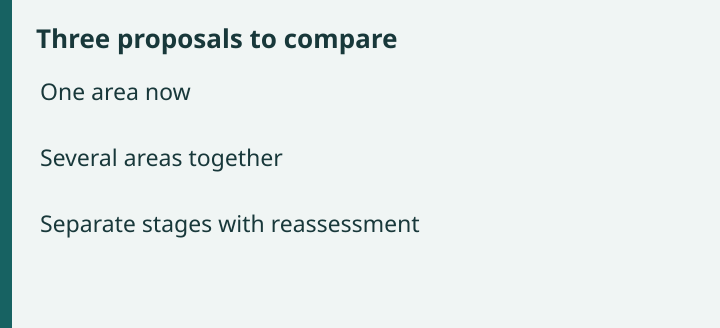
Ask for a drawing or a plain-language description of the front, sides and back. If two clinics use the same name for different boundaries, their prices and examples cannot answer the same question. Ask whether omitting one area changes the expected contour in another, and where the surgeon expects to leave some fullness deliberately. A smaller operation, separate operations and postponing surgery are all options to discuss.
What changes when the plan grows?
ISAPS describes risks that depend on the regions treated, duration, medical history and other operations performed. Extensive treatment can change the need for observation and fluid management. Ask who makes the decision to limit or end the operation and what happens to the remaining areas and the quoted price if that occurs. There is no universal number of areas that establishes safety for an individual.
Bring the decision back to daily life
If both arms and the trunk are in the plan, describe practical tasks like dressing, carrying bags and opening your accommodation door. Ask which tasks may require help. Confirm whether the follow-up plan would be different if you staged treatment, and how the second stage would be reconsidered once you have seen the first result. Keep each alternative on its own written proposal so you can go home and compare like with like.
Work through a sample quotation
Consider a hypothetical consultation where the initial estimate mentions the abdomen. After a video call, a second estimate mentions abdomen and flanks. It is tempting to subtract one price from the other and conclude that the difference is the price of flank treatment. The two plans may also differ in anesthesia, operative time or observation. Ask the clinic to identify every changed item, including anything previously included that is now separate. Then return to the clinical question. Which part of your original concern would the added area address? If you were unwilling to add it, would the surgeon still consider the first plan an appropriate choice? You do not need to negotiate against yourself by accepting a larger operation just because it is offered at a discount.
Boundaries matter even when the price stays the same
Patients sometimes use “stomach” to mean the front of the waist from ribs to hips. A clinic may describe upper and lower abdomen separately, or include the sides in a different category. A drawing can help, but it is more useful if it has a short explanation attached. Ask whether it depicts a possible treatment boundary, the location of a concern or a predicted shape. Write your own label alongside it and check your understanding with the surgeon. Ask whether treatment is planned on both sides and how existing asymmetry would affect the approach. Your body does not become symmetrical just because a line has been drawn symmetrically on a diagram.
Know which concern remains outside the operation
The amount of tissue is only part of the reason an area looks or feels the way it does. ISAPS distinguishes localized fat from loose skin and explains that the latter may become more apparent after fat removal. If the surgeon identifies loose skin as a major part of the concern, pause before comparing how many regions are included. A bigger liposuction plan may still leave the same concern unanswered. Ask what change is reasonably expected while standing, sitting and moving, which questions can be answered only after examination, and when an alternative would involve a different procedure altogether. If that alternative has an incision or recovery you cannot accept, say so.
Who should review my GLP-1 medicine before I book?
If you take semaglutide, tirzepatide or another GLP-1 medicine for diabetes or weight management, tell the anesthesia team while you are still comparing plans. Some of these medicines slow stomach emptying. That can matter during deep sedation or general anesthesia because stomach contents can enter the lungs. The type of anesthesia and your individual circumstances belong in the discussion even if the proposed operation covers only one small area.
Bring the product name, strength, usual schedule, date of your last dose and the reason you take it. Mention a recent dose increase or symptoms such as nausea, vomiting or abdominal discomfort. If your prescription is written in another language, a clear photo of the original package can help identify it. Your prescriber can explain what a change would mean for your diabetes or other treatment.
Ask the surgeon and anesthesiologist to coordinate a written plan with your prescriber. Many patients can continue their medicine. Others need different preparation or a later procedure. Follow the instructions given specifically to you and check discrepancies before changing a dose, fasting schedule or travel date. If the proposed areas, anesthesia or operation date change, ask who will review those instructions again.
American Society of Anesthesiologists guide to GLP-1 medicines and surgery
Assessing the whole operation
For each proposed area, ask the clinician to explain the reason for including it, the likely incremental benefit and the risks the extra work introduces. The risks of an operation cannot be worked out by multiplying the risk of one small region by the number of entries on a price list. Your health history and the total extent of treatment matter. Ask what information the anesthesia team needs and which features of the plan influence the choice of setting. You can also ask how decisions are documented if the examination leads the surgeon to advise against a large operation. Write down the reason for the recommendation as well as the resulting list of areas. That gives a second clinician something specific to consider if you seek another opinion.
Two operations are two separate decisions
If the surgeon suggests stages, ask which part would come first, why, and what would need reassessing before deciding on another operation. A plan described as “two stages” may sound like a firm commitment. Ask whether the second stage is optional, what the financial terms are, and whether there are circumstances in which the team might advise doing less or stopping after the first. Separate stages involve another period of recovery and another set of travel arrangements if you live abroad. At the same time, having more work done in one trip can create a recovery burden of its own. Ask the team to discuss these practical trade-offs without assuming that fewer flights automatically justify a larger procedure.
Plan help around tasks, not a calendar label
You may be told that you can return to a desk-based role before you feel ready for every task in your daily life. Tell the clinician whether your day includes commuting while standing, lifting children, carrying shopping, putting on a prescribed garment or managing stairs. If both arms are involved, ask how you would use the garment closures. If several regions are treated, ask which activities will be hardest during the same period. Describe the support you actually have in Korea and at home, including times when your companion will be away. Ask when the team expects to review those restrictions and who can revise the advice after examination.
Look for the missing follow-up costs
Ask for a written breakdown of the clinic’s own fees and separate estimates for costs paid elsewhere. One proposal might include a garment and scheduled reviews. Another might say only that aftercare is available. Ask what is included for each area, whether a different garment is needed if the plan changes, and whom you would pay for additional examinations or care after returning home. If an operation is deferred because it is unsuitable, confirm the deposit and cancellation terms directly with the clinic before transferring money. Keep the currency and validity date with each quotation. A comparison made months later should start by confirming that its terms still apply.
What would make you decide to wait?
Give yourself permission to define a stopping point before travelling. Examples include being advised to add an area you had never wanted to change, discovering that you cannot arrange help with basic tasks, or realizing that the main issue is skin laxity when you would not consider an operation that removes skin. Waiting can also be the sensible outcome of a clear, useful consultation. It does not mean you asked the wrong questions. If you revisit the decision later, take back the original diagram and ask what has changed in your health, goals, available support or the surgeon’s opinion.
Three answers worth keeping
First, ask the surgeon to finish the sentence “The reason to include this second area is…” in terms you can repeat. Second, ask “What disadvantage would I accept if we stopped at the smaller operation?” The answer might relate to the transition between adjacent areas, or the surgeon may say the smaller procedure would not deliver the change you want. Third, ask what finding or event would lead the team to recommend less surgery, later surgery or no surgery. A usable plan includes limits as well as an intended result. Take those answers home with the written boundaries, anticipated reviews and contact information.
Who should answer a treatment-area question?
An international coordinator can help obtain records, arrange an appointment and translate the quotation. The clinician assessing your anatomy and health should explain the reasons to include or leave out a region. Ask how you can direct a follow-up clinical question to that person after you have read the paperwork. If the answer supplied remotely is provisional, keep that distinction visible in your notes. The same principle applies when asking whether two procedures can safely share one anesthetic: seek the treating team’s assessment for your own situation before planning flights or time away from work.
What to bring to a second opinion
Bring the first proposal with your original question and the surgeon’s explanation. Ask the next clinician to examine the same concern independently, then discuss where the plans differ. Agreement about the words on a quotation is less informative than understanding why two doctors would choose different treatment boundaries.
A listed clinic to consult
TJ Plastic Surgery. Its published body-contouring service includes targeted liposuction and planning across more than one area. Ask how treating the areas together or separately would change your follow-up plan. Read the clinic profile · Visit the international clinic website